- Home
-
Manufacturing
Manufacturing · What the house does01OEM ProductionYour tech packs, run on our lean lines.02ODM & DevelopmentFrom sketch to sample in one studio.03Private Label & BlanksPremium foundations for growing labels.04Sampling & 3DPhysical prototypes in days, not weeks.05Quality AssuranceAQL 2.5, four gates, reports shared.06Capacity & Lead Times450,000 pieces monthly, six lines.
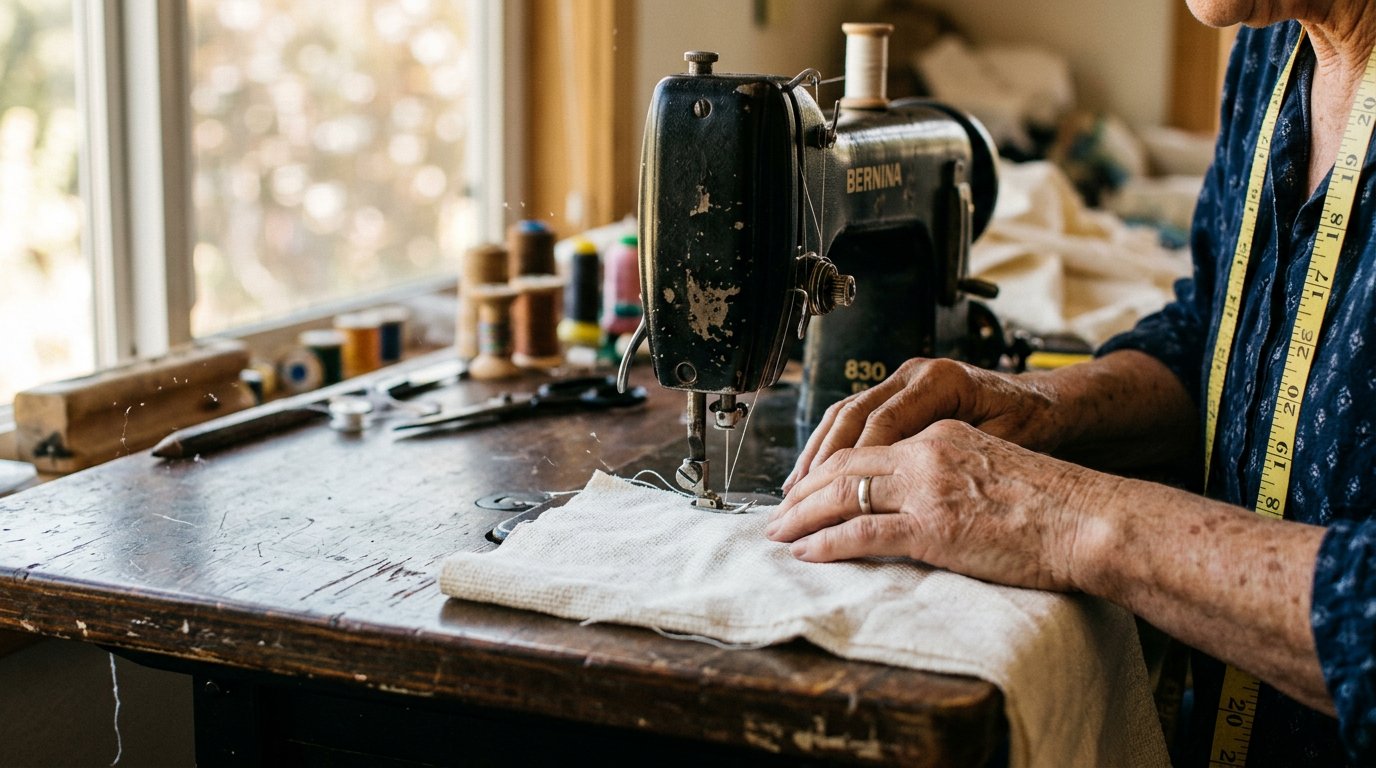 The Lembang floor2,000 artisans, one standardMOQs from 300 pieces per styleGet a quote →
-
Shop
The Shop · Explore the catalogue01Knits & Tees160 to 320 GSM, organic options.02Hoodies & FleeceBrushed & loopback, 300 to 450 GSM.03Wovens & DressesLinen, viscose and Tencel™.04ActivewearSeamless, compression, recycled poly.
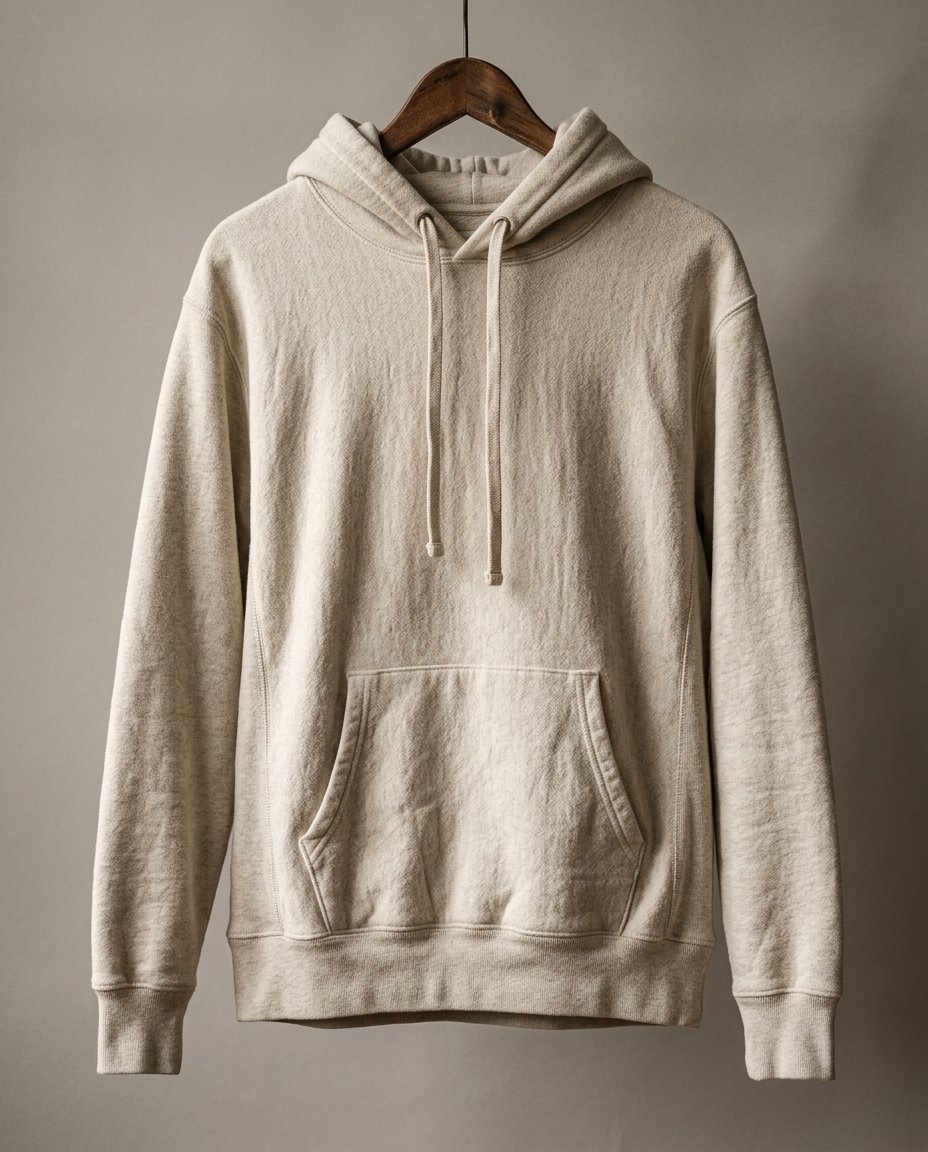 New season fleece300 to 450 GSM, brushed or loopbackEvery tile opens a conversationRequest full catalogue →
- Process
- Sustainability
-
About
About · Inside the house01Our StoryFrom three machines in 1999 to 2,000 hands.02The FoundersAdélaïde & William Bates.03Why BandungA textile capital a century deep.04Inside the HouseUnstaged moments from our floors.05ResponsibilitySolar, water and people, measured.06CareersJoin a house that keeps its people.
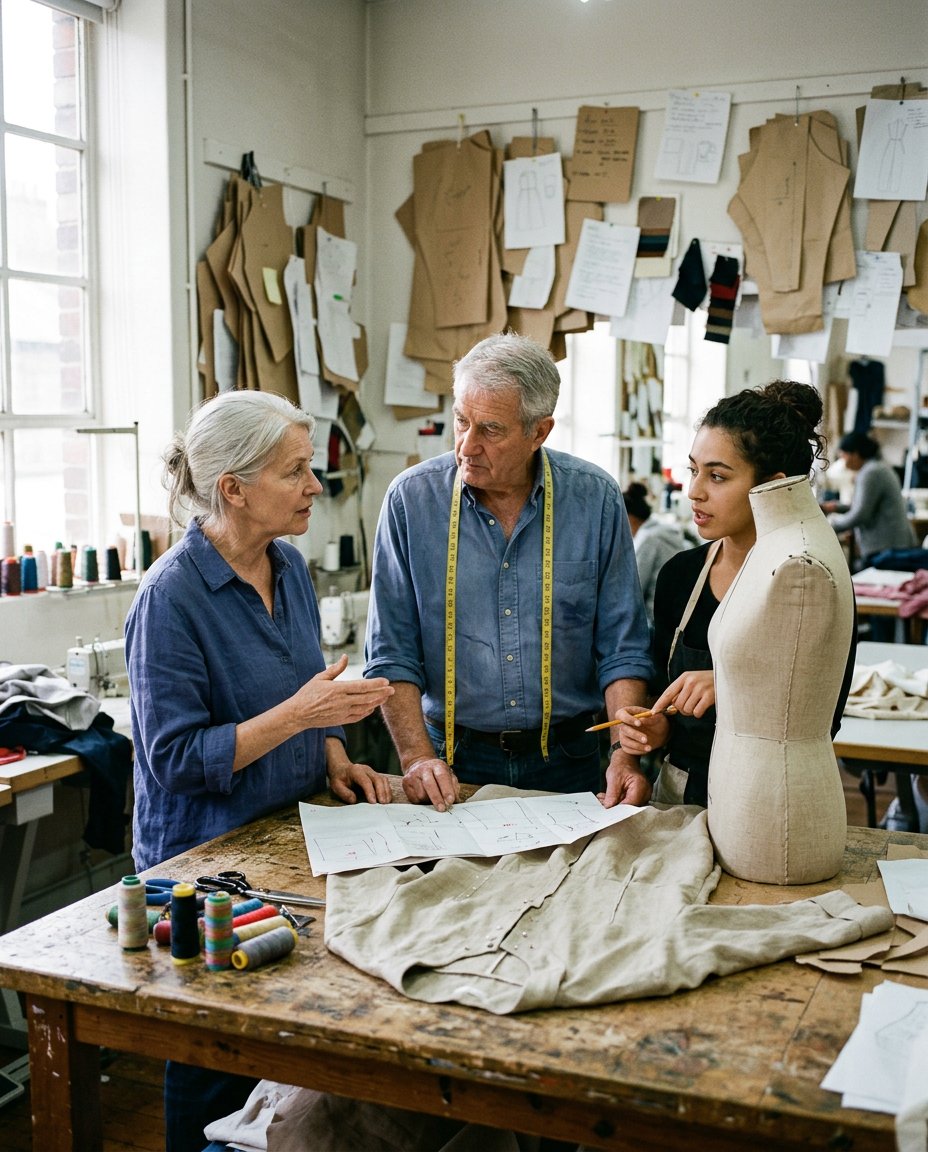 The foundersStill on the floor, every dayEst. 1999 · Bandung, West JavaVisit us →
- Start a Project
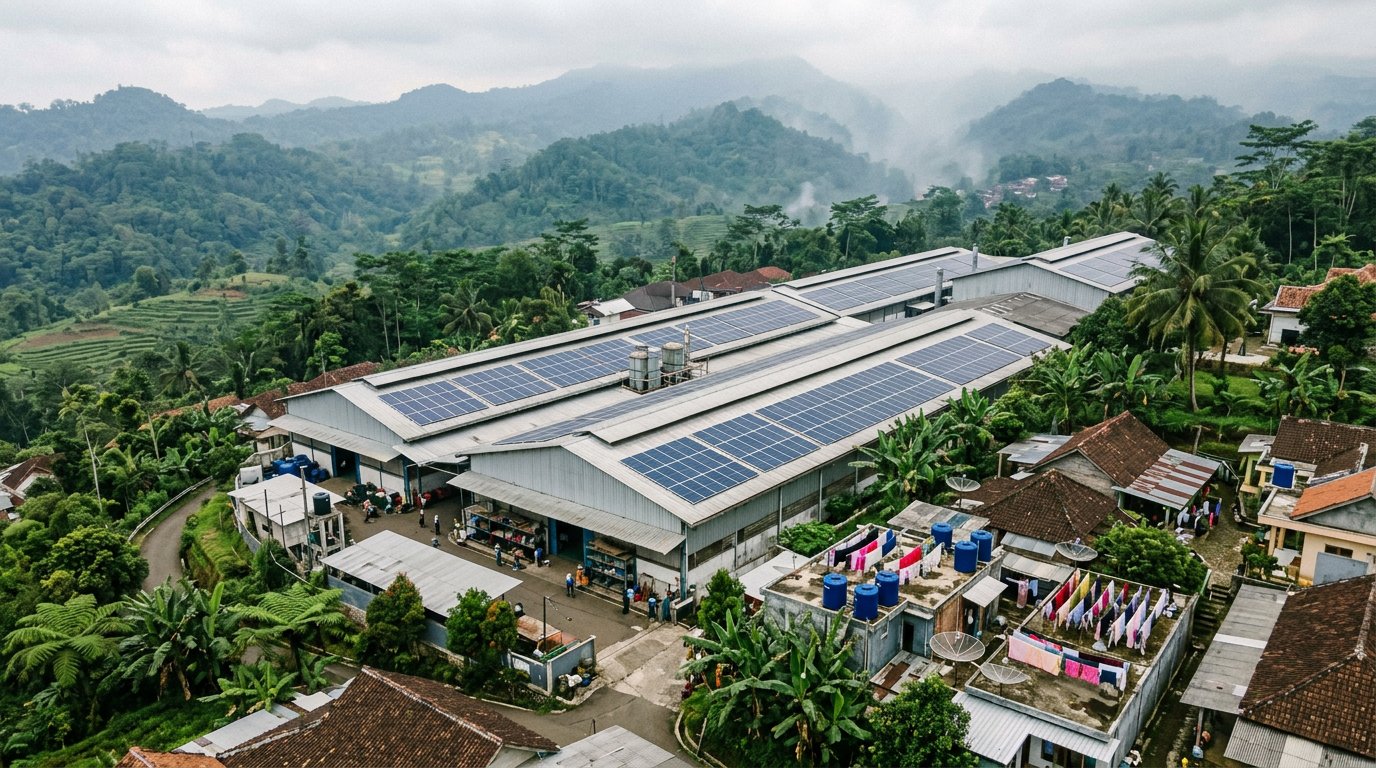
Green is not a campaign here. It is the roof.
A solar array over the sewing floor, water that circulates instead of escaping, waste with a second life, and two thousand people treated like the asset they are. This is what your label is made of.
The roof above your clothes is a power plant.
Spread across the Cimahi Mill and the finishing bay sits a 1.1 megawatt solar array, and on a clear Bandung morning it runs a third of the house by itself. The lines that make your garments work on sunlight before they work on the grid. It started as a cost decision and became an identity: the roof pays for itself, and your label carries the difference.
- A third of our electricity is solar today, with half the house targeted by 2028.
- LED retrofits and high efficiency servo motors on every line cut the base draw.
- Heat recovered from the pressing bay preheats water for the finishing line.
- The numbers are measured, audited and published, good months and bad months alike.
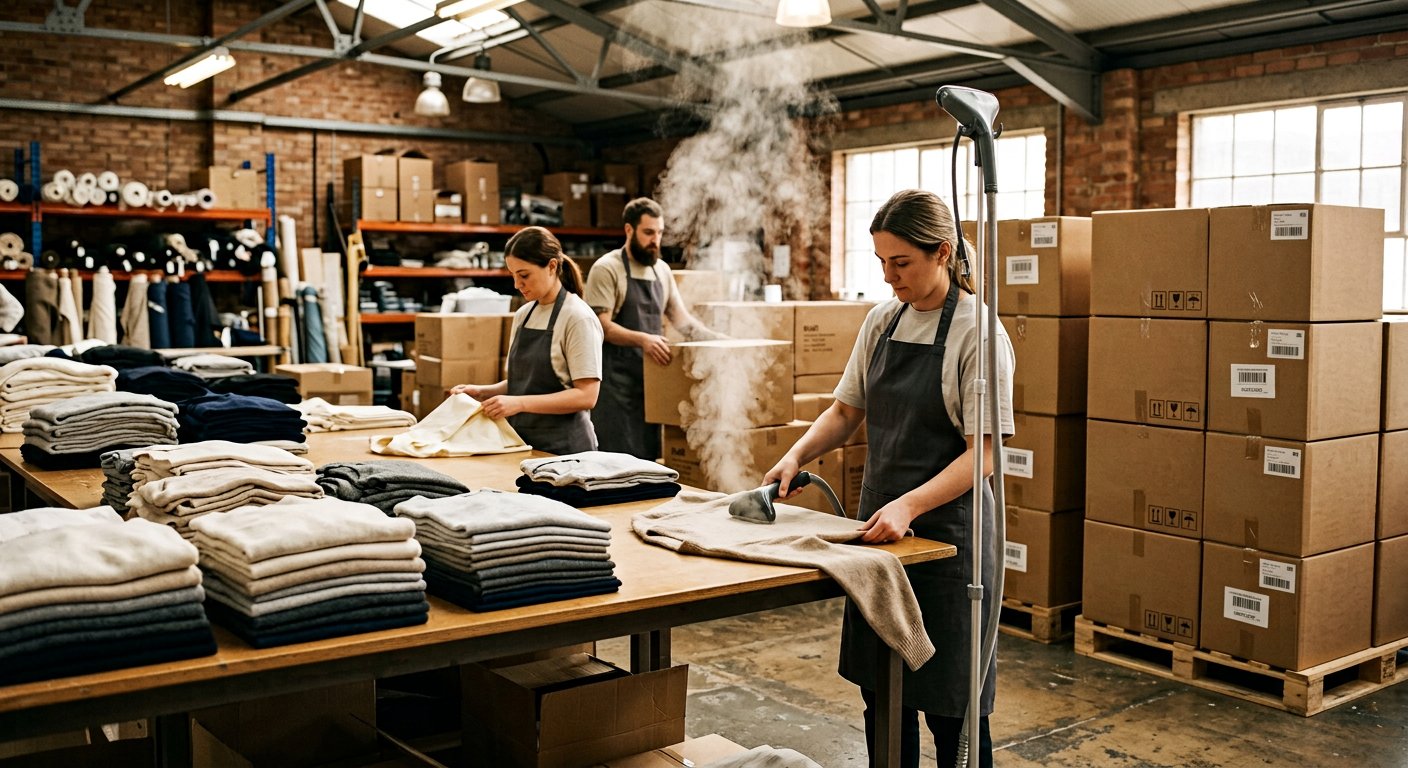
Every drop is counted twice.
Dyeing and washing are thirsty work, so we built our own treatment plant and taught the water to stay. Effluent is filtered and recirculated into first wash cycles, low liquor dyeing machines cut the water needed per kilo of cloth, and what finally leaves is tested against our permit, with the reports kept on file for anyone who asks.
- Around 9.5 million litres recirculated every year through our closed loop plant.
- Low liquor dyeing cut water per kilo by roughly one third against conventional sets.
- Effluent tested on schedule; results filed and available to your compliance team.
- Rainwater harvested off the Cimahi roof feeds toilets and garden lines.
Nothing leaves as anonymous rubbish.
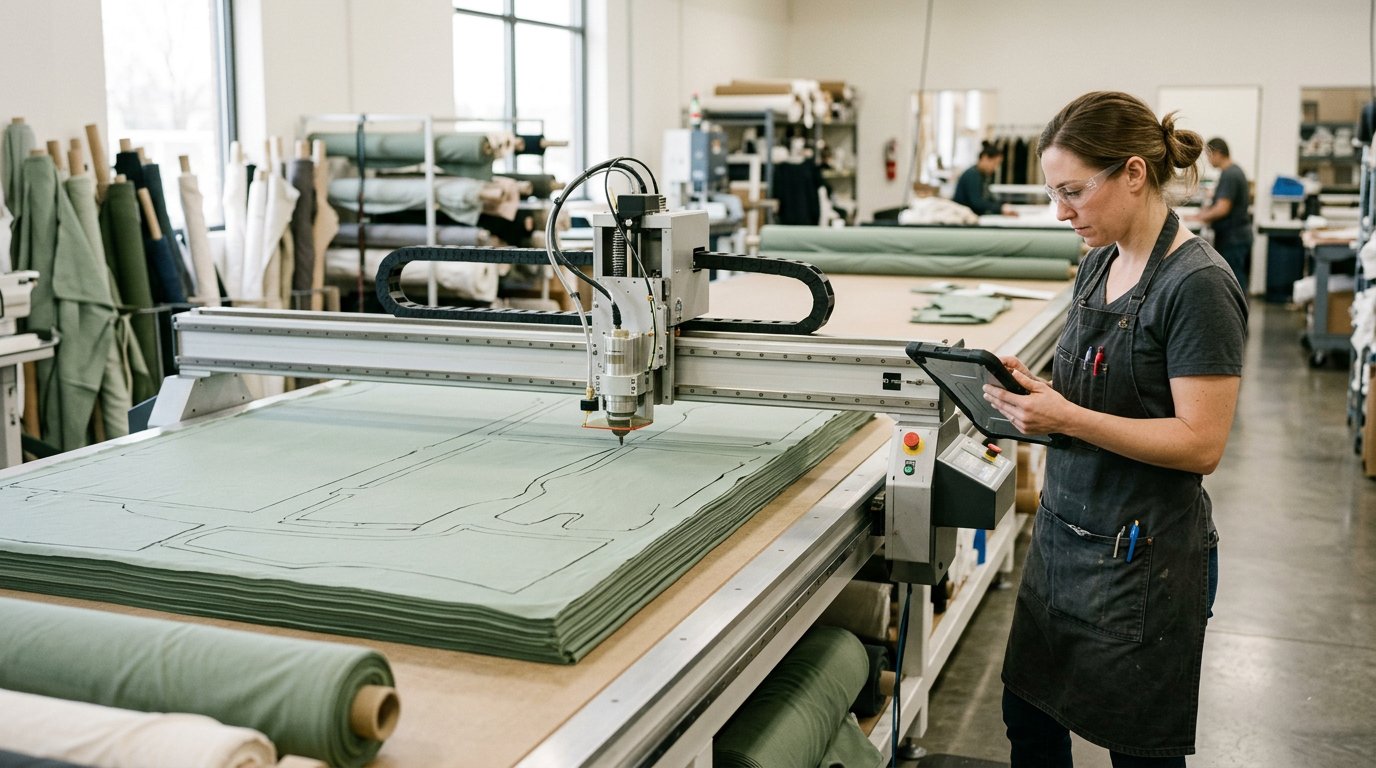
Waste is just fabric in the wrong drawer. Our markers are planned for efficiency above the industry average, offcuts are sorted by fibre and colour, and everything with a second life gets one: recycling partners, insulation fillers, and the end of rolls we sell at cost to small makers around Bandung. Landfill is the last resort, and the pile shrinks every year.
- 72% of production waste diverted from landfill today; 90% targeted by 2028.
- Offcuts sorted by fibre and colour so recycling partners can actually use them.
- End of roll fabric sold to small Bandung studios at cost, not to a landfill.
- Polybag waste is collected back and recycled with a local partner.
Cloth you can trace to the mill.
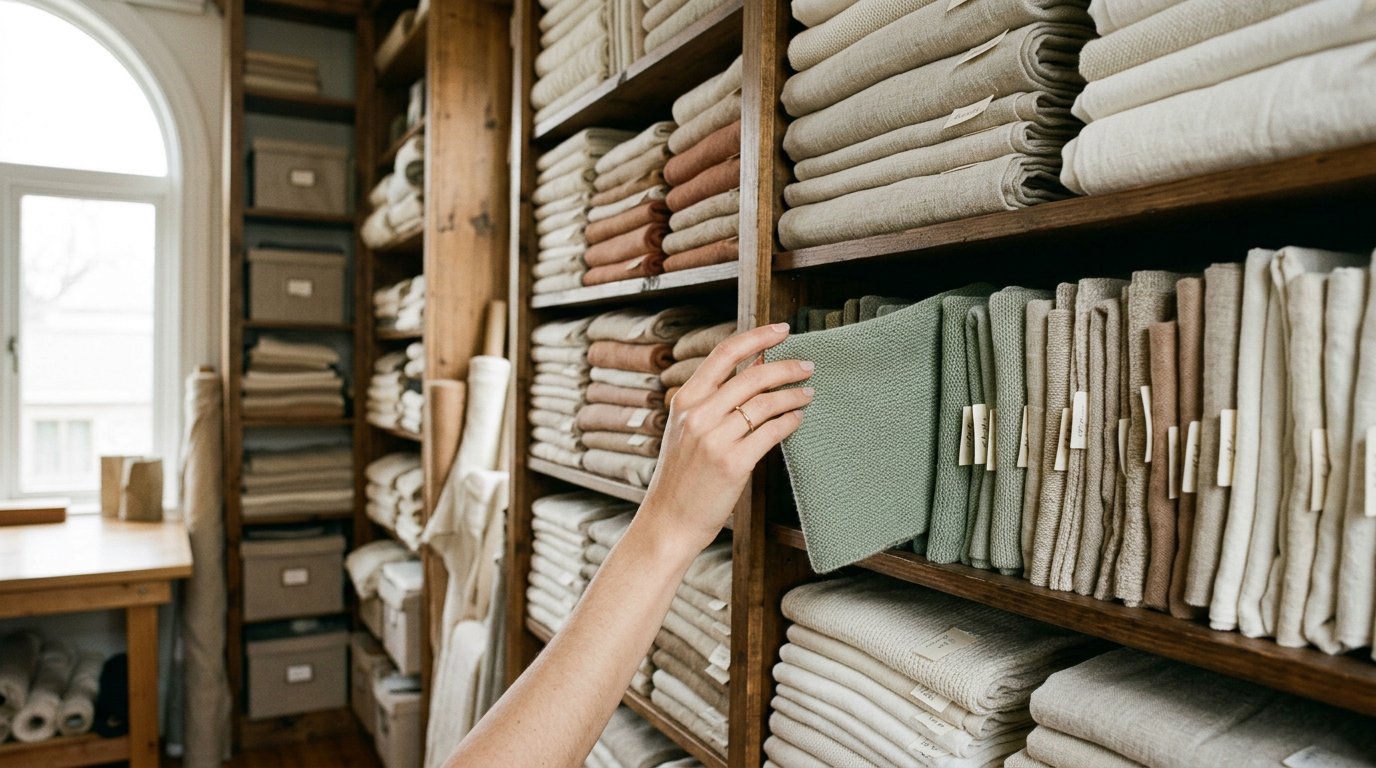
Sustainable fabric is only sustainable if the paperwork is real. Our library carries organic cotton, recycled polyester, Tencel and linen alongside conventional cloth, and every certified claim comes with transaction certificates and mill documents on file. When your customer asks what the shirt is made of, you will have an answer with a paper trail.
- Organic, recycled and Tencel options across the catalogue, at honest price points.
- Recycled polyester supplied with GRS transaction certificates, claim ready.
- Oeko Tex aligned yarns and finishes available for sensitive markets.
- Mill and dye house documentation kept for every fabric we sell you.
Two thousand careers, one roof.
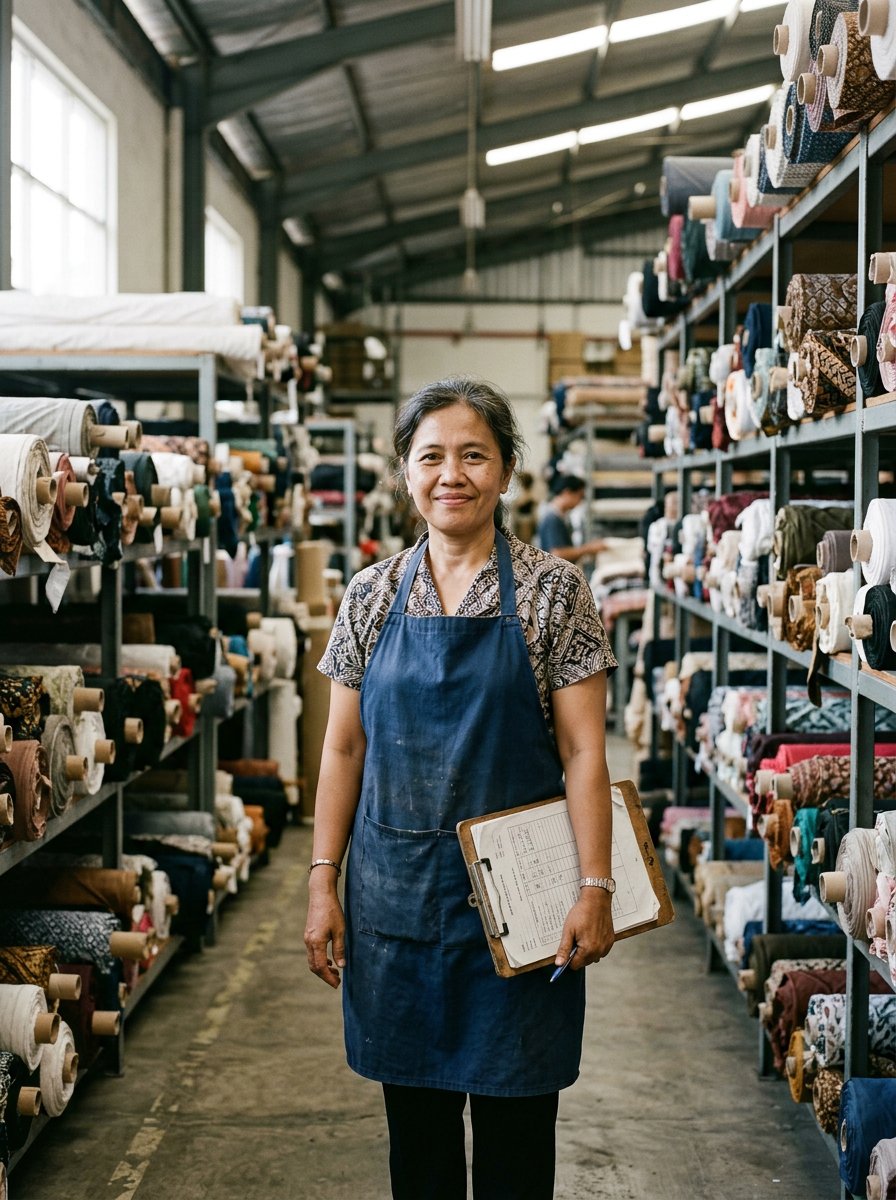
Twenty five years of orders have been cut and sewn by people, and we run the house accordingly: wages above minimum, hours capped, a works council elected by the floor, a clinic and a canteen on site, and a training ladder that turns operators into line leaders and engineers. Plenty of our colleagues are raising their families on this floor. Some are raising them on two.
- Wages above minimum, hours capped, and a bonus paid every single year.
- A works council elected by the floor, meeting management monthly.
- Free clinic and canteen on site; third party social audit once a year.
- A real training ladder: operator to line leader to supervisor to engineer.
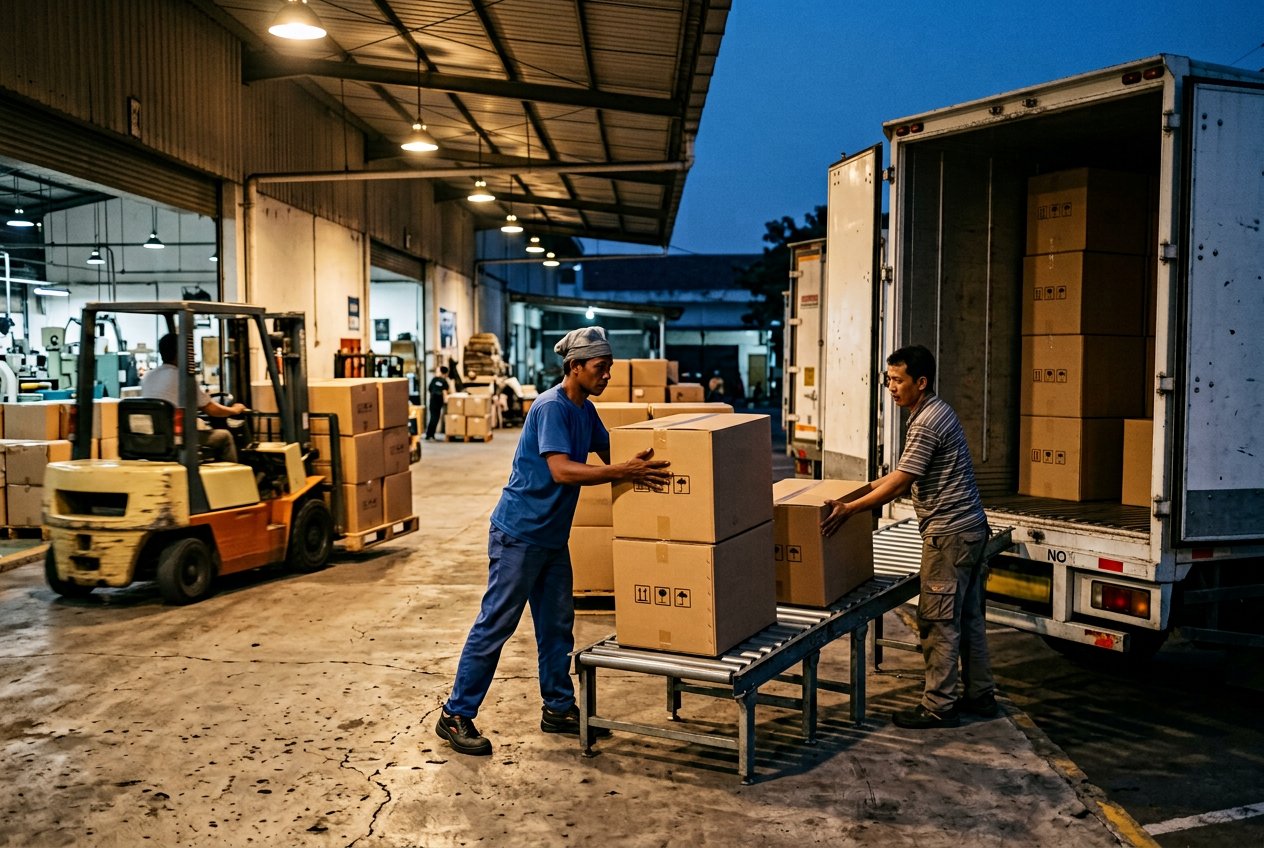
Your garments arrive without the guilt.
The last thing your customer touches before the garment is the box it came in, so the box matters. Cartons are recycled board and recyclable again, polybags are thinner and recycled and collected back, and our own offices gave up single use plastic years ago. Retail ready, barcode labelled and plastic reduced packaging is available on request.
- Cartons made from recycled board, recyclable right back into the system.
- Polybag reduction: thinner, recycled content, collected back at the dock.
- FSC aligned paper options for hangtags and retail packaging on request.
- Plastic free export packaging targeted by 2029; our offices went plastic free first.
What we guarantee the next decade.
A factory your compliance team can stand behind.
Your buyers will ask hard questions one day, and the answers should already be true. Our management system is built to the international standards below, our documentation is audit ready, and our floor is open. Come and see it whenever you like.
Let’s put our factory behind your label.
Send a tech pack, a sketch, or a question. A product manager who knows the floor replies within one working day, with dates you can plan a season around.
info@kw-apparel.com